Demystifying Occasion-Pushed Architecture With Gustavo Woltmann
In these days’s quick-paced electronic landscape, firms must course of action info in authentic time, scale seamlessly, and provide clean user activities. Traditional request/reaction methods generally fall limited under these needs. That’s where by Occasion-Pushed Architecture (EDA) is available in—a design and style paradigm centered all over creating, detecting, consuming, and reacting to gatherings.
What's Celebration-Pushed Architecture?
Occasion-Driven Architecture (EDA) is a contemporary software design and style tactic that organizes systems throughout the strategy of events. An occasion is any important improve in state or event in a process—for instance a consumer putting a web based get, a payment being authorized, or possibly a sensor recording a temperature spike. In place of services straight requesting details from each other, they convey by making and reacting to those gatherings.
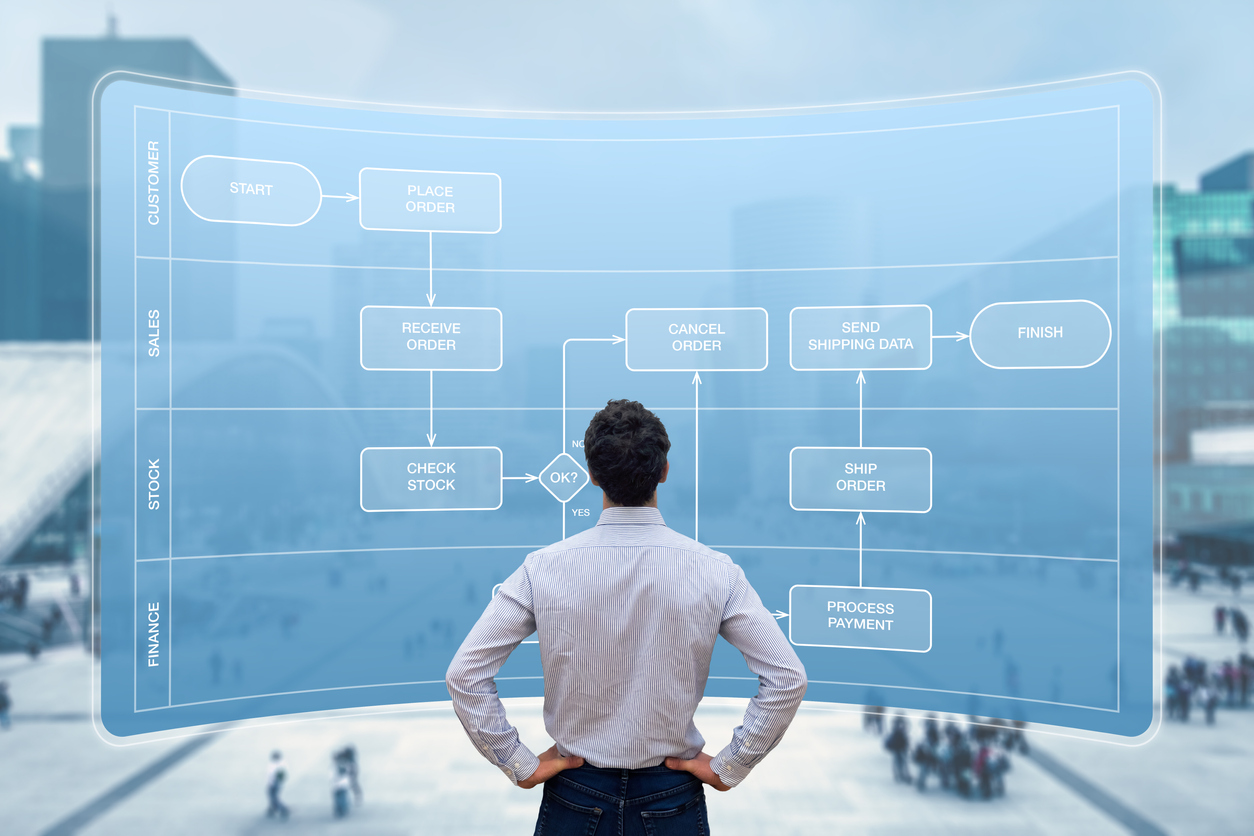
In EDA, a few Main parts do the job alongside one another: event producers, event brokers, and event customers. Producers produce occasions Every time one thing meaningful occurs. These activities are sent to an occasion broker (like Apache Kafka, RabbitMQ, or AWS EventBridge), which acts as the central hub for distributing them. Consumers then subscribe to and process the situations applicable to them. Such as, when an get is positioned, one particular provider may well manage payment, An additional may update stock, and a 3rd may well deliver the confirmation electronic mail—all activated instantly by the identical event.
The key benefit of this technique is decoupling. Producers don’t want to know which products and services will eat their activities, and consumers is usually extra or eliminated without the need of disrupting current processes. This adaptability allows systems to scale additional very easily, combine new features quicker, and respond in actual time.
EDA is very valuable in contemporary use conditions like e-commerce, economic transactions, Internet of Points (IoT) methods, and microservices architectures where by asynchronous communication and responsiveness are significant. Even so, it also introduces new complexities, for example managing celebration ordering, dealing with duplicates, and making sure eventual consistency.
In essence, Celebration-Pushed Architecture shifts the main focus from requesting data to reacting to alter. It permits companies to develop software program that is definitely more agile, scalable, and aligned Together with the dynamic, serious-time nature of currently’s electronic globe.
When to implement Event-Driven Architecture
Function-Pushed Architecture (EDA) is not a a single-dimensions-suits-all Answer, nonetheless it excels in cases exactly where responsiveness, scalability, and suppleness are necessary. Recognizing when to adopt this design and style technique may also help organizations maximize its strengths although keeping away from avoidable complexity.
One of the best use instances for EDA is in actual-time apps. Devices that involve prompt responses—like fraud detection in banking, live notifications on social media, or IoT gadgets monitoring sensors—advantage tremendously from EDA’s capability to react the moment an occasion occurs. As opposed to looking forward to scheduled checks or guide triggers, activities right away generate actions.
EDA also thrives in extremely scalable environments. Simply because occasion producers and customers are decoupled, Every component can scale independently. This makes it particularly important for e-commerce platforms, streaming products and services, and experience-hailing applications, the place need can spike unpredictably. Methods can deal with unexpected surges without the need of bottlenecks, as people might be scaled up to satisfy the load.
An additional strong use circumstance is advanced workflows across numerous systems. Such as, in offer chain management, an get celebration can cause inventory checks, shipping and delivery updates, and buyer notifications—all coordinated asynchronously with no one place of failure.
EDA is additionally a all-natural in good shape for microservices architectures. Microservices get pleasure from free coupling, and EDA provides a method for them to communicate competently with no making limited dependencies. This leads to more agile, resilient, and maintainable devices.
Nonetheless, EDA is not excellent for every condition. For applications demanding stringent, synchronous regularity—like some monetary accounting devices—a request/reaction model could possibly be simpler plus much more dependable.
In summary, Celebration-Driven Architecture is ideal used when programs need to react promptly, scale dynamically, and deal with dispersed procedures seamlessly. It transforms applications from staying passive data pollers into agile programs that adapt right away to change.
Why Use Celebration-Pushed Architecture?
Occasion-Driven Architecture (EDA) features substantial rewards for corporations aiming to construct programs which have been agile, scalable, and responsive to adjust. Compared with traditional request/response styles, EDA allows applications to react quickly to gatherings, making it nicely-suited to nowadays’s dynamic electronic environments.
Amongst the primary factors to utilize EDA is overall flexibility. Producers of gatherings don’t have to have to know who consumes them. This decoupling means that providers can evolve independently. As an example, in case you insert a different company to mail force notifications when an get is put, it can simply subscribe to the existing get party without the need of altering the producer or other consumers. This makes EDA perfect for units that really need to adapt and extend immediately.
A further vital gain is scalability. Due to the fact parts are loosely coupled, read more Every single can scale on its own according to demand. Superior-targeted visitors expert services, like payment processing in e-commerce, can cope with spikes independently with no impacting unrelated techniques like stock or analytics.
EDA also improves resilience. If a buyer services is temporarily down, the celebration broker makes sure that the occasion is saved and sent when the company recovers. This lessens the chance of data decline and makes it possible for methods to take care of features even when some pieces fall short.
Additionally, EDA increases efficiency and efficiency. Devices don’t waste means polling for updates. Alternatively, they act only when an event happens. This occasion-pushed responsiveness produces a lot quicker, smoother consumer ordeals, from quick notifications to real-time analytics dashboards.
Last but not least, EDA supports *uture-proofing. As organizations undertake new technologies or organization requirements arise, they can certainly incorporate new individuals without having disrupting present processes.
Briefly, utilizing EDA allows businesses to create systems which can be extra adaptable, scalable, and aligned with actual-time anticipations—critical rewards inside of a globe wherever agility often defines good results.
Criteria Prior to Adopting EDA
Even though Party-Driven Architecture (EDA) gives overall flexibility, scalability, and resilience, it is not without having troubles. Right before adopting it, organizations must thoroughly weigh the trade-offs and identify whether or not the benefits align with their demands and complex maturity.
An important thing to consider is complexity in design and operations. As opposed to request/response programs, EDA depends on asynchronous conversation, which often can make workflows more durable to trace. Debugging becomes much more sophisticated, considering that determining the basis reason behind a concern typically involves tracing gatherings throughout a number of expert services and celebration streams. Groups have to put money into sturdy monitoring and logging resources to maintain visibility.
Another factor is event buying and duplication. In dispersed programs, functions might not usually arrive in the get they ended up developed, or They might be delivered more than at the time. Builders ought to design and style idempotent customers (able to take care of replicate activities with out errors) and account for opportunity delays or inconsistencies.
EDA also introduces the principle of eventual consistency. Although this is suitable in many use cases, it could be problematic in programs that need demanding, rapid accuracy, such as selected economic accounting or compliance-pushed apps. Organizations will have to Consider whether or not their business enterprise processes can tolerate slight delays in data synchronization.
Ability specifications existing Yet another obstacle. Developing, deploying, and maintaining EDA programs demands specialised understanding in celebration brokers, messaging patterns, and dispersed systems. Groups may need added training or new hires, which will increase costs.
Last but not least, there is The problem of infrastructure overhead. Party brokers and messaging platforms include A different layer to manage. Even though cloud vendors supply managed expert services like AWS EventBridge or Google Pub/Sub, relying on them may possibly maximize fees and make seller lock-in.
In summary, EDA is effective although not universally relevant. Businesses need to take into consideration complexity, consistency wants, infrastructure, and staff expertise just before adoption. With the appropriate preparing, EDA can deliver immense worth—devoid of getting an pointless burden.
Conclusion
Function-Pushed Architecture is much more than a buzzword—it’s a practical Remedy for constructing scalable, responsive, and resilient devices within an significantly real-time globe. By knowing when and why to work with it, corporations can harness its strengths though avoiding pointless complexity. For several modern day programs, EDA isn’t just a choice—it’s getting to be the common.